Smart Growth in Practice: West Flagler

West Flagler’s growth debate is about more than one project. It is about whether growth will be planned responsibly or whether families will be left paying for roads, drainage, water systems, and public services that were not ready.

Suzanna Pavelle supports smart growth, not reckless growth. That means infrastructure first, growth that pays its own way, and real respect for local voices.

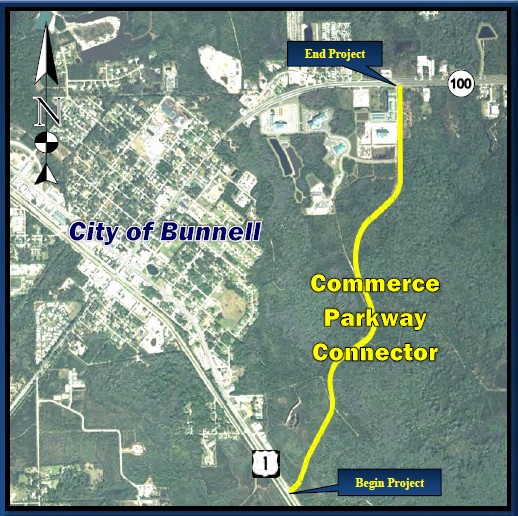
Flagler Central Commerce Parkwy

Why This Matters

The approved Reserve at Haw Creek project near Bunnell is one of the clearest examples of why smart growth matters in House District 19. The project covers roughly 2,788 acres and was approved for 6,100 residential units after months of controversy, packed public meetings, and serious questions about traffic, flooding, stormwater, and public-service capacity.

This is not an argument against growth. Growth is coming. The question is whether it will be matched to the infrastructure families already rely on.
Smart Growth Means Infrastructure First

When a major development moves forward without clear answers on roads, drainage, water and wastewater capacity, and emergency services, the costs do not disappear. They shift onto current residents.

That can mean:

  • more traffic on already strained roads
  • more flood risk when stormwater systems fall behind
  • more pressure on utilities and local services
  • more hidden costs for families through taxes, rates, and property risk

Growth that does not pay its own way is not a bargain for working families. It is a subsidy for bad planning.

Why Smart Growth Is Also an Affordability Issue

In Northeast Florida, affordability is not just about rent or groceries. It is also about homeowners insurance, utility bills, commuting time, and whether growth is making daily life more expensive for the people already here.

When flooding gets worse, insurance pressure can rise. When roads are overwhelmed, families lose time and money. When infrastructure lags behind development, local residents are too often asked to absorb the burden.

Suzanna’s position is simple: new growth should help pay for the infrastructure it demands instead of shifting those costs onto existing residents.

Local Voices Should Matter

Residents who raised concerns about west Flagler growth were not asking for special treatment. They were asking basic questions about roads, stormwater, floodplain impacts, service capacity, and long-term costs.

Those questions deserve real answers. Local people should not be treated like an inconvenience when the future of their community is being decided.

Suzanna believes good growth can stand up to public scrutiny. If a project cannot answer those questions clearly, it is not ready.

Suzanna's Standard for Responsible Growth

  • Infrastructure before major development approvals
  • Verified road, stormwater, water, wastewater, and emergency-service capacity
  • Growth that pays its fair share
  • Protection for wetlands and flood-prone land that help protect homes and water quality
  • A stronger voice for local communities in planning decisions

A Smarter Way To Grow

Flagler County can grow without losing what makes it home. But that takes leadership willing to say that if the infrastructure is not ready, the project is not ready.

That is not anti-growth. It is pro-family, pro-taxpayer, and pro-community.